
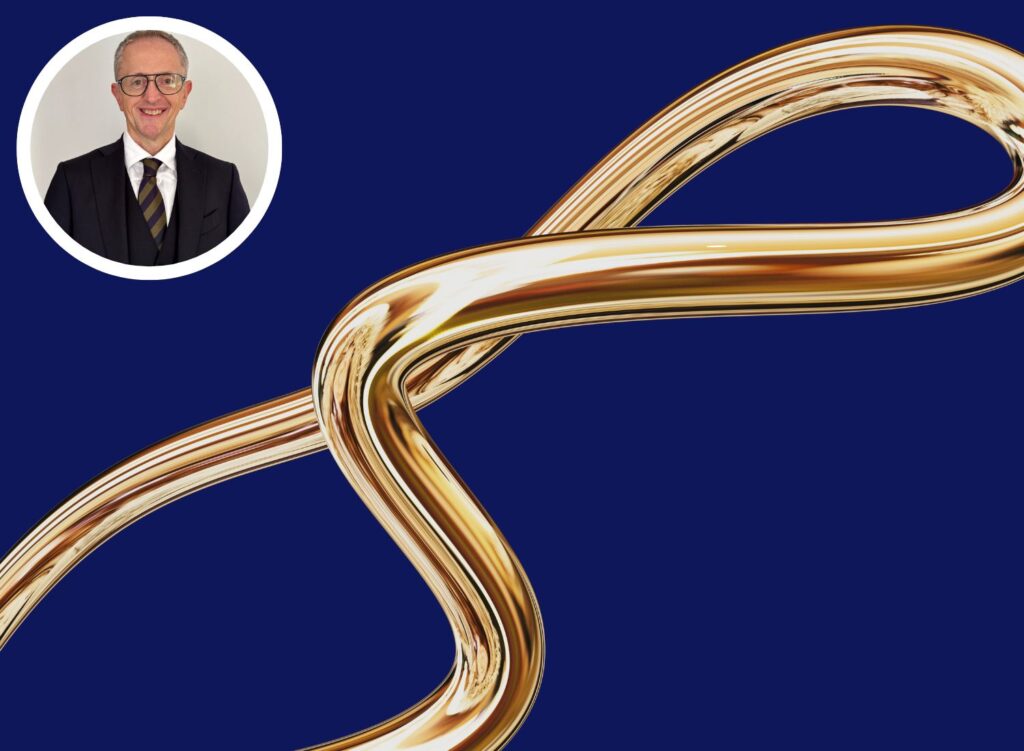
From directing technical operations at Valcambi, one of the world’s most respected refineries, to leading greenfield projects and transformation initiatives across Europe and the Middle East, Fabio Ticozzelli has dedicated his career to advancing innovation, efficiency, and sustainability in the precious metals and chemical sectors. In this interview, he reflects on the evolving definition of excellence in refining – and how the pursuit of precision and trust is driving a new generation of responsible operations.
Fabio, you have led major initiatives in gold refining and operational transformation within the precious metals sector. From your perspective, what defines technical and operational excellence in refining, and what enables an organisation to set industry benchmarks?
From my experience, technical and operational excellence in gold and precious metals refining is characterized by consistently achieving the highest purity and quality standards while maintaining agility, safety, efficiency, and environmental stewardship. Excellence requires a broad operational perspective, starting with internal optimization as a fundamental asset to build a fully integrated system capable of generating trusted impact for all external stakeholders.
Key enablers include the ability to develop accurate, robust, and integrated manufacturing processes, monitored transversally by rigorous quality assurance protocols. This enables the organization to operate at the highest speed and quality simultaneously, which is a critical competitive advantage. To illustrate, I often liken this operational model to a Formula One team, where precision and speed must be perfectly combined.
This approach allows organizations to set the highest industry benchmarks by integrating cutting-edge technology with fast, lean operational practices, ensuring deep traceability and transparency across the entire metal supply chain. Such transparency fosters strong trust among suppliers, customers, and key industry entities in the precious metals business.
Finally, skilled and empowered people are the pivotal assets, with a strong ability to contribute to a culture of continuous improvement as a shared mindset.
Gold refining is both a science and an art, demanding precision, innovation, and trust. How do you see technology and process innovation reshaping the way refineries operate and deliver value?
Technology and innovation are reshaping refining by driving smarter, more agile, and sustainable operations. For example, cutting-edge analytical technologies enable real-time process adjustments and improved quality standards, while automation reduces costs and operational risks.
New, optimized, and greener refining technologies support cleaner processes, aligning with sustainability imperatives transforming the sector. These innovations also expand the processability of materials received—from miners to industrial scrap.
Manufacturing automation, digitization and the adoption of predictive AI technologies generate measurable benefits by streamlining workflows, accelerating processes, increasing capacity, reducing waste, and enhancing safety.
Investing in and implementing these innovations enables refineries to enhance efficiency, reduce environmental impact, and meet growing demands for ethical sourcing and supply chain transparency. The ability to combine innovation with the well-established art of producing final products is a key success factor.
Having managed large-scale greenfield projects and operational transformations, what in your view are the most critical success factors in establishing a world-class gold refinery from concept to maturity?
Having the opportunity to work on new refining project has been an insightful exercise, specifically on the opportunity to see how the business contest and then related project requirements changed in comparison with the past.
Important to mention, the relevance of sustainability is more and more reflected in all adopted technologies targeted on more efficient, greener and less environmental impacting processes. Implementing and adopting recycling units able to recover precious metals from jewellery scarps as well industrial applications also moving in direction of more responsible gold and precious metals approach. Last but not the least, improved traceability as well from capacity to trace and differentiate incoming materials also moving in direction of secure the metal chain.
These examples highlight the evolving role and responsibility of refining units. Beyond internal efficiency, a holistic perspective that carefully evaluates benefits and risks across the entire precious metals lifecycle can differentiate a refinery from its competitors.
Throughout your career, you’ve aligned technical strategies with business objectives. What role do you think innovation plays in maintaining competitiveness and integrity within the global gold market?
Throughout my multifaceted career, much of it focused on driving effective innovation in the chemical business, I have seen that innovation is vital for any business to remain relevant, grow, and adapt to the future.
What sets the precious metals sector apart is its ability to innovate by synergizing technology and ethical drivers building the trust necessary for success.
Innovation improves process efficiency and cost-effectiveness, enabling refineries to respond swiftly to changing market conditions and customer needs. Equally important is innovation in traceability technologies like blockchain, which help guarantee ethical sourcing and regulatory compliance, reinforcing stakeholder trust.
In my experience, innovation is an investment that becomes profitable when key stakeholders embrace shared principles and collaborate.
Finally, looking back at your journey in the gold sector, what would you say has been the most rewarding part of working with this metal – and what future developments most excite you?
The most rewarding part of working with gold and precious metals is contributing to a product that holds enduring value and shapes economies worldwide.
It is a unique opportunity to operate in a complex and diverse industry, where heterogeneous drivers from financial markets to sophisticated industrial sectors must be approached effectively despite differing logics, demands, requirements and challenges.
Ethical impact is a significant aspect of all refinery activities, offering real opportunities to generate positive environmental and social outcomes.
Looking ahead, continued investment in innovation especially by expanding recycling processes, increasing capacity to refine secondary gold sources, improving traceability, raising industry as well ESG standards, and fostering open cooperation and partnerships will benefit the entire precious metals circular economy, enhancing one of the sector’s most valuable assets: trust.
